top of page

BrothaTalk

Public·33 BrothaTalk

The Most Dangerous Lie Many Men Were Taught Was Not "Do Not Cry." It Was "Carry It Alone."


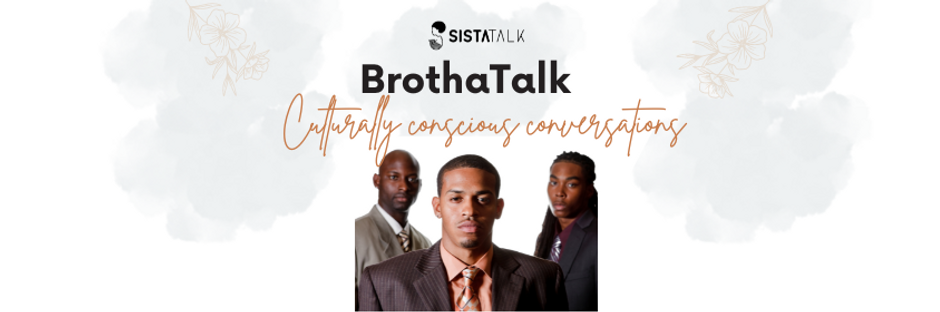
Picture Source: Andre Frazier

June is Men's Mental Health Month.


Yet perhaps the most important conversation we need to have is not about mental health it is about inheritance. Not the inheritance measured in money, property or possessions. The inheritance measured in beliefs, behaviours, coping mechanisms and emotional habits passed from one generation to the next.


Look closely at the image above and you begin to see a story that stretches far beyond one individual. What appears to be a campaign about wellbeing is actually a reflection on culture, identity and the invisible burdens many men carry throughout their lives. Behind every statistic sits a father, a son, a brother, an uncle, a husband, a colleague or a friend who has learned, often from an early age, that strength means carrying the weight alone.


For many…


The Silent Crisis for Sober Men:

How Do You Handle Stress Without a Drink or a Smoke?


In a world where alcohol and cigarettes have long served as the default "reset buttons" for male stress, a growing number of men are choosing a different path and quietly struggling with the void it leaves behind.


11 Views

Living Well Regardless of Chronic Illness


Calling All Men!!


Join us for Day 3 of Live Well Regardless, a powerful event focused on men’s health, wellbeing, resilience, and community.


This is a safe, uplifting space where men living with chronic conditions including lupus, diabetes, sickle cell, cancer, hypertension, autoimmune illnesses and more can connect, learn and be heard.


Expect honest conversations, a film screening and panel discussion, practical financial advice, wellbeing support, networking, music, food, games and positive 90s vibes throughout the day.


10 Views

What Happens When Professionalism Is Still Measured Against Eurocentric Standards?


Marcus Shute Jr.’s story is not simply about locs or personal style. It reflects a much larger conversation about race, identity, power and the hidden emotional labour Black men often carry in professional spaces.


Across law, finance, politics, education and even the military, Black professionals have repeatedly faced pressure to alter culturally significant hairstyles in order to appear “professional,” “safe” or “acceptable” within systems historically shaped around white institutional norms.


Research from the NAACP Legal Defense Fund and the CROWN Coalition continues to show that hair discrimination is not a superficial issue. It is deeply connected to race, identity and opportunity.


9 Views
bottom of page