
Using ‘Sorry’ to Manage a Crisis
- Evadney Campbell MBE

- Mar 16
- 4 min read
Our Pain Isn’t a PR Crisis to be Managed.

Source BBC | Michael B Jordan (left) and Delroy Lindo
As a PR Professional, one of the key things we tell our clients when handling a crisis, is the need to show remorse – say sorry. We advise them to express real, sincere regret and that means giving a genuine apology.
If this is the case, why then do many companies, get it so wrong when they’re caught out doing something inappropriate? – (and generally they only act after getting publicly caught out) They issue a half-hearted apology? Sadly, it doesn’t take a genius to see through these insincere apologies.
They feel completely PR driven, so what are their objectives? If I was being cynical, I’d say they were, click bate or even rage bate.
Can an apology ever feel like an insult?
Take the two recent incidences, Jim Ratcliffe, shareholder of Manchester United Football club’s clumsy apology following his statement about immigrants colonising the UK, this was followed with the now infamous BBC’s ‘sorry if’ after the BAFTA Awards’ screening.
According to Cambridge, an apology is “an act of saying that you are sorry for something wrong you have done.” If we accept this definition, then we have to question what is really going on. Why can’t people openly apologise? What’s with the caveat - “if/may have”? Any apology which is presented this way feels less than insincere.
Those were probably the most recent incidents but unfortunately, this ‘strategy’ goes back a long way. Do you remember the H&M incident way back in 2018? At the time, as part of an advertising campaign, H&M posted an image featuring a Black child modelling a hoodie with the slogan "coolest monkey in the jungle." This caused a backlash! Following this backlash H&M issued an apology - "We apologise to anyone this may have offended".
That is not accountability. It is deflection dressed up as diplomacy.
It seems like the Black community are always being asked to be patient, understanding, to recognise “context.” And to consider “intent.” Somehow we must be benevolent and accept that “mistakes happen.” But where is the concern when we believe our dignity is on the line? Where is the meticulous editing when it concerns our trauma? Where is the zero-tolerance approach then?
The BBC’s inability to bleep out the offensive ‘n’ word from its broadcast of the British Academy of Film and Television Arts (BAFTA) ceremony - a moment that offended two high-profile Black men, not to mention millions of other right-thinking people. This is even after it’s reported Executives from Warner Bros. (the studio behind Sinners) contacted BAFTA within minutes of the outburst, requesting it be removed from the broadcast.
Still, this world-respected news outfit took the time to meticulously edit out other words and phrases they deemed politically insensitive, yet failed to remove/bleep out that one word which has for centuries carried a feeling of violence, degradation and trauma for Black people.
To compound the situation, after broadcasting the ceremony on TV and leaving the offending word on their streaming platform for hours, the organisation followed up with a half-hearted, PR-influenced apology, and that was only after they were called out by hundreds of viewers.
And here lies the deeper issue.
When institutions issue apologies only after backlash, and even then lace them with legal cushioning and emotional distance, what they are really saying is this: We regret the inconvenience, not the injury.
For Black audiences, this feels too familiar.
An apology without ownership is not accepting responsibility. It is reputation management.
Repeating this pattern sends a dangerous message to many – that offending Black people is survivable, that Black outrage has a short shelf life. So, they get their PR/Comms team to draft a carefully worded statement which they believe will appease us
But here’s the truth, we do not have to accept apologies that do not acknowledge harm plainly and directly. We shouldn’t have to decode corporate language to find a trace of remorse. And we are certainly not overreacting when we expect institutions to treat anti-Black slurs with the same seriousness they treat other forms of offence.
If an apology cannot clearly say, “We were wrong,” then it is not an apology. It is a calculation.
And perhaps that’s the real insult.
Because what stings more than the original offence is the suggestion that we are naïve enough to accept these insincere apologies which fails to take responsibility or accountability. Our pain isn’t a PR problem to be managed! So the next time an organisation reaches for the word “if, or may have” we should hear it for what it is – insincerity.
And maybe the question we should start asking isn’t whether they’re sorry. Maybe it’s whether they ever believed they had anything to be sorry for.
Update:
Ahead of publication of this article, the outgoing Director General of the BBC, Tim Davie has issued an equivocal apology stating that the broadcasting on the racial slur was a ‘genuine’ mistake on the part of the BBC.
In the BBC article, the DG said: “Director general Tim Davie said the BBC "profoundly regrets" what happened”, adding that the team editing the ceremony had not heard the word and did not intentionally leave it in.
I’ll just leave this here!
How much of this explanation do you believe? My question is, why has it take so long for this explanation?
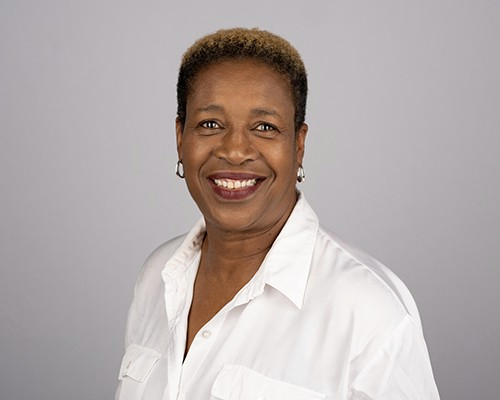
Evadney Campbell MBE is the co-founder of Shiloh PR, a specialist public relations and media training agency established in 2013. A respected broadcast journalist, lecturer, trainer and communications consultant, she has spent decades working across television, radio and digital platforms, including extensive experience with the BBC.
Her work focuses on helping organisations build visibility, credibility and meaningful engagement, particularly with the Black British community, whose spending power is estimated at over £300 billion yet remains significantly under-served.
An award-winning communications professional, Evadney has received numerous honours including an MBE, WINTRADE Woman of the Year, and recognition in the PRWeek Power Book. She also contributes to the industry through advisory roles, judging major awards and training the next generation of communicators.
To learn more about Evadney’s work or explore how Shiloh PR can support your media strategy and brand visibility, visit www.shilohpr.com.


Comments